Featured Articles
- 12 Innovative Principles of Motion Design Transforming User Engagement in Modern Web Design
- Beyond Aesthetics: The Emotional Impact of Microinteractions in Modern Web Design
- Designing for the Unseen: How Accessibility in Web Design is Shaping the Future of Digital Experience
- The Aesthetics of Chaos: Embracing Imperfection in Modern Web Design Trends
- The Rise of Neuro-Design: Crafting Websites for the Brain's Hidden Pathways
Unveiling the Unexpected: How Retro Aesthetics Are Shaping Modern Web Design Trends
Unveiling the Unexpected: How Retro Aesthetics Are Shaping Modern Web Design Trends
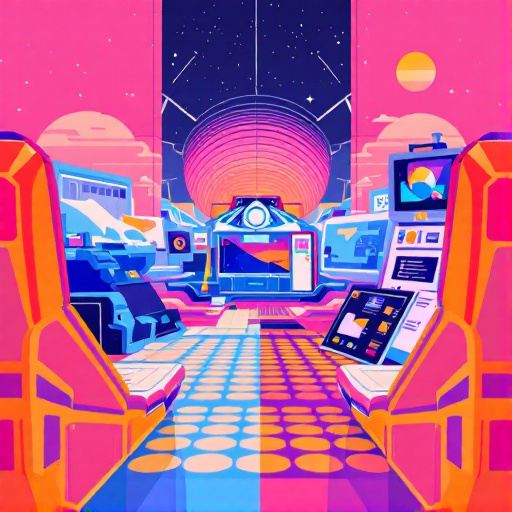
In an era dominated by sleek minimalism and fast-paced digital innovation, retro aesthetics are making a remarkable resurgence in modern web design. This article explores the unexpected ways in which nostalgic visuals are reshaping the digital landscape, showcasing how a mix of old-world charm and contemporary trends resonates with diverse audiences.
The Allure of Nostalgia
Nostalgia is a powerful emotion. According to a study by the Journal of Consumer Research, nostalgic feelings can enhance our sense of self and provide comfort during uncertain times (Routledge et al., 2011). As we sift through the myriad choices in web design, a touch of the past provides a sense of familiarity that can draw users in, fostering a connection between them and the website.
A Trip Down Memory Lane: The 80s and 90s Revival
Do you remember those pixelated graphics and rainbow-colored backgrounds that defined early web aesthetics? As a 23-year-old fresh out of college, I’ve often joked with friends that we’re living in a retro renaissance. Websites featuring retro fonts, neon colors, and playful icons reminiscent of those early Internet days have begun popping up everywhere. Popular brands like Coca-Cola and Nike have embraced retro marketing campaigns, as they resonate with Millennials and Gen Z who yearn for a piece of their parents' past.
Case Study: A Retro Website That Rocks
One shining example of successful retro web design is the website for the band The Strokes. Their official site embraces an early 2000s aesthetic, with a DIY charm that appeals to both new and old fans. The vibrant colors and playful layout reflect their signature sound while catering to visitors by making them feel a sense of belonging. Strong visuals connected directly to emotions keep users engaged and coming back for more.
Colorful Context: Font and Color Trends
Taking cues from retro design doesn’t just involve visuals; it’s also about color palettes. Designers now use warm, saturated colors—think muted oranges, soft greens, and vintage yellows. According to a recent survey by Adobe, 61% of designers indicated that using playful colors can boost engagement rates on their websites, especially among young audiences who appreciate creativity and vibrancy in user interactions.
The Science Behind Color Psychology
Did you know that colors can influence consumer behavior? A study on color psychology by the University of Loyola found that color increases brand recognition by 80%. So, when websites choose nostalgic hues, they are not just appealing to aesthetics; they are strategically driving user engagement through the psychology of color.
Users Speak: What They Want
Market research from HubSpot indicates that nearly 90% of consumers prefer a website with a "unique and memorable design" over generic, minimalist layouts. This preference leads many designers to experiment with retro aesthetics to differentiate themselves. Providing a unique experience helps in creating connections, leading to repeat visits and increased customer loyalty.
Creating a Narrative with Design
Let’s talk storytelling. Retro aesthetics often bring with them a narrative, a story woven into their fabric. A beautifully nostalgic design isn’t just a visual treat; it tells a story that resonates emotionally with visitors. For instance, websites like Jitterbug, a phone brand geared toward seniors, cleverly infuse retro elements to celebrate an era while appealing to their audience's familiarity. The use of vintage typography alongside modern functionalities offers a seamless blend of old and new.
The **Tech** Behind Retro Designs
Interestingly, technology plays a pivotal role in enabling retro designs. Tools like Figma, Adobe XD, and Canva allow designers to replicate vintage styles with ease, ensuring that even novice designers can tap into the retro movement. The impact of these tools is truly revolutionary; statistics show that over 75% of designers are experimenting with vintage-inspired styles thanks to these user-friendly platforms.
Humorous Take: The Web 1.0 Effect
Don't we all secretly adore those cringe-worthy MySpace pages we all had in the early 2000s? With glitter GIFs and music auto-playing, it was an absolute masterpiece—or a disaster, depending on your taste. Those designs, while comical in hindsight, are now viewed with affection. Add the nostalgia of floppy disks and dial-up tones, and it becomes clear why retro web design invokes such warm memories. In a world of sleek and flat designs, sometimes a little chaos—and a pixelated banner ad—makes us chuckle.
Modern Applications of Retro Design
Retro isn’t just limited to colors and fonts; it seeps into various elements of design. From buttons resembling old-school gaming consoles to layouts mimicking four-panel comic strips, the charm of retro is evident in the texture and feel of websites. Brands like Spotify celebrate vintage music with panel designs that harken back to vinyl records, making the interface fun and memorable.
The Role of Accessibility
Accessibility is crucial in modern design, but retro aesthetics can sometimes lead to challenges. Clear visibility of text over patterned backgrounds can be a hurdle. However, savvy designers have discovered ways to adapt, ensuring that they create visually stimulating designs that remain accessible to all users. WebAIM reports that inclusivity in design can lead to higher engagement rates, proving that retro doesn’t have to compromise function for style.
The Future is Bright—And Vintage!
So, what can we expect moving forward? With consumer preferences continuing to shift towards unique experiences, it’s safe to say that retro aesthetics will only gain more traction in modern web design. The intersection of nostalgia and technology is poised for further exploration, inviting designers to take bold risks. Will we see a revival of the 70s disco theme next year? Only time will tell.
Wrapping it Up: A Timeless Trend
Ultimately, the rise of retro aesthetics in web design isn’t merely about decoration. It’s about creating connections, evoking emotions, and building a sense of community. As the digital space evolves, those charming echoes from the past remind us that warmth, familiarity, and creativity will always have a place in our online experiences. So, whether you’re a designer or someone scrolling through countless websites, remember that nostalgia is one trend that will never go out of style!
Call to Action
Are you ready to dive into the world of retro web design? Whether you’re designing a new project or simply seeking inspiration, consider these principles. Embrace the unexpected as you shape your digital presence. After all, in the digital realm, a bit of the past can pave the way for a brilliant future!
Remember, trends come and go, but a good dose of nostalgia is something we all cherish!
Related Articles