Featured Articles
- 12 Innovative Principles of Motion Design Transforming User Engagement in Modern Web Design
- Beyond Aesthetics: The Emotional Impact of Microinteractions in Modern Web Design
- Designing for the Unseen: How Accessibility in Web Design is Shaping the Future of Digital Experience
- The Aesthetics of Chaos: Embracing Imperfection in Modern Web Design Trends
- The Rise of Neuro-Design: Crafting Websites for the Brain's Hidden Pathways
The Rise of Neuro-Design: Crafting Websites for the Brain's Hidden Pathways
The Rise of Neuro-Design: Crafting Websites for the Brain's Hidden Pathways
The rise of neuro-design represents a groundbreaking shift in how websites are crafted, focusing on the cognitive processes that shape user experiences. With the integration of neuroscience principles into web design, businesses can optimize user engagement and satisfaction like never before.
Understanding Neuro-Design: The Basics
At its core, neuro-design is about aligning website creation with the way the human brain works. According to a study published in the Journal of Neuroscience, the brain processes visuals 60,000 times faster than text. This means that the aesthetics of a website play a crucial role in capturing attention and guiding user behavior.
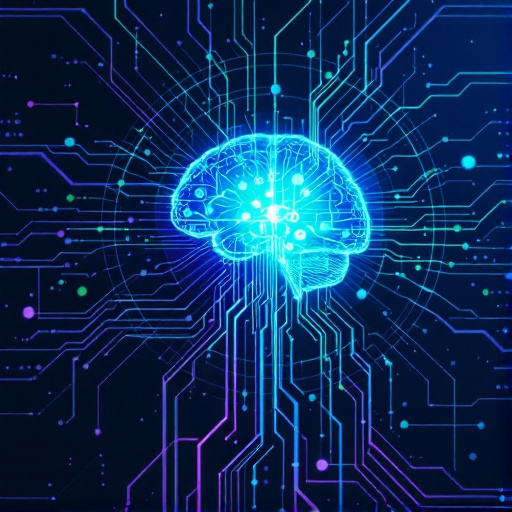
The Brain's Hidden Pathways
Imagine your brain as a vast network of pathways, each connected to memories, emotions, and perceptions. This metaphor extends to neuro-design, where the goal is to craft websites that stimulate these hidden pathways. For instance, the use of color can influence mood and encourage action. A study by the Institute for Color Research found that color increases brand recognition by up to 80%. So, if you’ve ever felt uplifted by a bright color scheme, you’re tapping into the science behind neuro-design.
Storytelling: The Key to Connect
Everyone loves a good story. Did you know that when we hear narratives, our brains release oxytocin, the ‘bonding hormone’? This chemical evokes emotions and fosters connections. By integrating storytelling into website content, businesses can leverage this biological response. For example, Airbnb uses storytelling effectively by sharing user experiences that resonate on an emotional level – a tactic that has contributed to their astronomical growth. As of 2022, Airbnb reported having over 4 million listings worldwide!
Visual Hierarchy and Its Impact
The way information is presented on a webpage matters significantly. Utilizing visual hierarchy can guide users' eyes in a manner that aligns with their cognitive processing abilities. Research shows that 95% of first impressions are design-related. Clear, organized layouts that highlight key information can help retain user interest, making them more likely to convert. For instance, websites like Apple lead with stunning visuals that immediately communicate their brand values.
Emotion-Driven Design: A Case Study
Consider the case of a local bakery that revamped its website by incorporating neuro-design principles. By replacing stock photos with high-quality images of their beautifully crafted pastries, they tapped into the concept of visual appeal. As a result, the bakery saw a 50% increase in online orders within three months. Their testimonials were presented in a way that formed a story, creating trust and familiarity among potential customers.
Color Psychology: The Unsung Hero of Neuro-Design
Color serves more than just an aesthetic purpose; it evokes emotions and can trigger specific responses in users. Red, for example, is often associated with passion and urgency, which is why many clearance sales utilize it prominently. But it’s not just about individual colors—color combinations can create different emotional landscapes. Brands like Coca-Cola and McDonald’s use red and yellow effectively to induce appetite and stimulation, further exemplifying how neuro-design can influence decision-making.
Engagement Through Interactivity
The digital age thrives on interaction, and websites that facilitate user engagement tend to be more successful. Adding interactive elements such as quizzes or polls not only captures attention but also makes users feel like active participants. A study from Quicksprout revealed that interactive content receives 2x more engagement than static content. So when you're pondering your next website design, ask yourself: how can I make my visitors feel included in this journey?
Humorous Elements: Lightening the Mood
Let’s face it—websites can sometimes feel sterile. Incorporating humor into web copy can enhance user experience significantly. Think about it: would you rather read a dreary list of features or a witty dialogue about how a product can change your life? If you can make your visitors chuckle, not only are you creating a memorable experience, but you're also activating the brain's reward center, which releases dopamine—all leading to a positive association with your brand.
The Future of Neuro-Design
As we venture deeper into a technology-driven society, the possibilities for neuro-design are endless. Machine learning and artificial intelligence (AI) are ushering in an era where we can tailor experiences to individual users in real-time. Imagine websites that adapt their layouts, colors, and content based on the emotional responses of users through biometric feedback! The future holds promise, but with it comes the responsibility to design ethically, ensuring that user manipulation doesn’t venture into exploitation.
Persuasive Design: Influence Without Manipulation
Moreover, persuasive design is a crucial aspect of neuro-design, aiming to nudge users towards desired actions without overstepping ethical boundaries. Clear call-to-action buttons, social proof (like reviews), and leveraging urgency often produce great results. Research indicates that a well-placed CTA can improve conversion rates by 80%. Yet, a neuro-design approach ensures these are used judiciously, fostering trust rather than feelings of pressure.
Real-World Examples of Neuro-Design in Action
Various brands have successfully integrated neuro-design principles into their websites, with remarkable results. For instance, Booking.com has been recognized for its extensive use of A/B testing, constantly tweaking every element of the site to find the most effective designs for conversions. Their data-driven approach integrates neuro-design principles, focusing on instinctual responses rather than mere aesthetics. The reported increase in bookings speaks to the power of understanding the brain’s preferences.
Democratizing Neuro-Design
While neuro-design can seem intricate and academic, its principles can be democratized. Small businesses, too, can tap into these insights even with limited budgets. Simple changes, such as optimizing images, considering color psychology, or writing engaging copy can significantly elevate user experience. Plus, online tools and templates are now more customizable than ever, making it more feasible for anyone to adopt these strategies.
A Call to Action
So, where do you go from here? Start by assessing your own website or that of your clients. Consider what neuro-design principles you can implement—whether it's adjusting visuals, employing storytelling, or adding interactive features. Remember, the goal is to create a pathway that aligns with users’ neurons while making them feel valued and understood. The integration of neuro-design into web development is not just a trend; it’s the future.
Wrap-Up: A Personal Perspective
As a 25-year-old writer with a passion for design and psychology, I can’t stress enough the importance of considering how our creations impact others. Neuro-design not only transforms user experiences but also fosters connections that can drive success. Let’s embrace this evolving field, where science meets creativity and intuition guides design. By doing so, we can elevate our online interactions from mere transactions to meaningful exchanges.
With the increasing digitization of our world, it’s imperative that as designers, we equip ourselves with the knowledge of how the brain functions. Whether you’re a seasoned web designer or just starting out, remember: understanding the mind is the first step to mastering the art of neuro-design.
Related Articles