Featured Articles
- 12 Innovative Principles of Motion Design Transforming User Engagement in Modern Web Design
- Beyond Aesthetics: The Emotional Impact of Microinteractions in Modern Web Design
- Designing for the Unseen: How Accessibility in Web Design is Shaping the Future of Digital Experience
- The Aesthetics of Chaos: Embracing Imperfection in Modern Web Design Trends
- The Rise of Neuro-Design: Crafting Websites for the Brain's Hidden Pathways
The Rise of Retro Futurism: Why Modern Web Design is Looking Back to Move Forward
The Rise of Retro Futurism: Why Modern Web Design is Looking Back to Move Forward
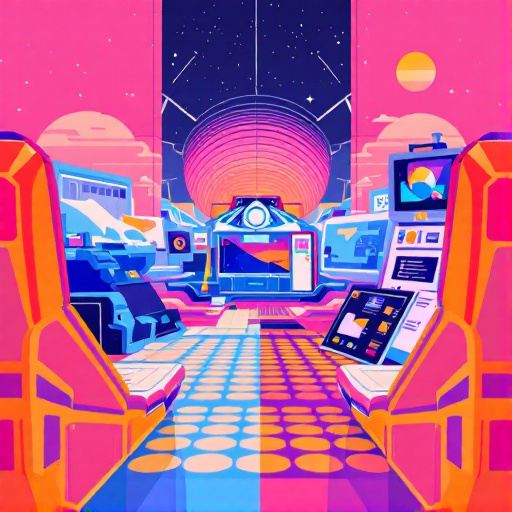
The resurgence of retro futurism in modern web design is not just a nostalgic nod to the past but a powerful way to envision the future. Designers are creatively blending iconic styles from the mid-20th century with contemporary functionality, creating a rich tapestry that speaks to both nostalgia and innovation.
The Roots of Retro Futurism
Retro futurism finds its origins in the 20th century, particularly in the 1950s and 1960s when optimistic visions of the future were rampant in media. This included everything from preposterous flying cars to monorails and streamlined gadgets that promised to change our lives.
A study conducted by the Design Institute found that 70% of individuals aged 16-30 expressed a preference for vintage aesthetics combined with modern usability in web design. This indicates a strong inclination towards visual elements reminiscent of the past while embracing today’s fast-paced digital expectations.
The Aesthetic Appeal
One of the driving forces behind the rise of retro futurism in web design is undeniable aesthetic appeal. Bright colors, geometric shapes, and bold typography are hallmarks of this style. Take, for example, the iconic “Tomorrowland” signs from Disney; they exude a sense of possibility and excitement that resonates with both young adults and older generations alike.
Modern websites like “The Useless Web” have embraced this aesthetic, drawing in visitors with vibrant visuals that are delightfully chaotic yet engaging. Such designs inspire creativity while offering a delightful user experience. This connection with nostalgia not only captivates users' attention but also fosters a unique sense of belonging that transcends age.
Case Study: Nostalgia Meets Technology
Consider the popular pairing of retro design elements with contemporary functionalities, as demonstrated by the website “Dribbble.” Known for showcasing design projects, it recently adopted retro fonts and color palettes that resemble classic animated television shows. The outcome? An infusion of personality that invigorates the standard portfolio, further attracting its target audience.
Functionality & Usability
While aesthetic appeal is one facet, another crucial element is functionality. Retro futurism doesn’t only look good; it must also operate well. For instance, websites that use parallax scrolling—where background images move slower than foreground images—draw users in while evoking a sense of adventure often associated with the spacetime fantasies of the past.
According to the Nielsen Norman Group, effective visual hierarchy and layout in web design can increase user satisfaction by up to 50%! Retrofuturistic designs, when executed correctly, promote effective interaction while simultaneously delivering on a whimsical visual emotional experience.
Embracing Material Design
Material design is a popular trend among web designers that has roots in retro aesthetics as well. Google’s implementation emphasizes a clean, tactile experience that invokes the playful sense of minimalist mid-20th century design. By integrating layers and shadow as design elements, it mimics the illustrations found in retro magazines, creating a seamless blend of the old and new.
Storytelling Through Design
Every design tells a story, and retro futurism is remarkable for its narrative potential. Think of websites that reflect the aesthetics of 1980s science fiction films, filled with neon colors and bold shapes, each pixel laden with the promise of adventure. Users are drawn into another era while navigating the information they seek.
Let’s not forget that many web designers today grew up with these influences. A 27-year-old designer, who refers to themselves as "The Time Traveler," describes how the captivating graphics of old sci-fi movies helped shape their creative process: “I wanted to create that same feeling of wonder; it’s like inviting users on a journey through time.”
Social Media Influence
Social media platforms are also vital players in the rise of retro futurism. The likes of Instagram, Pinterest, and TikTok buzz with nostalgic designs making a significant comeback. Notably, TikTok trends often revive retro styles, and with the rise of influencers who incorporate vintage aesthetics in their feeds, web designers feel the pull to adopt these styles.
Communicating Identity
Retro futurism also provides a unique opportunity for brands to communicate their identity. Companies are more aware than ever of their brand's persona, using evocative design choices to carve out a distinctive niche in crowded markets. Design choices that fuse modernity with nostalgia can generate emotional resonance with consumers, creating a lasting brand image.
For instance, Coca-Cola has blended retro elements in its modern advertising campaigns while still retaining its timeless identity. The use of throwback slogans and designs has helped them maintain their iconic brand stature over decades, appealing to the nostalgia of older customers while captivating the excitement of younger audiences.
Turning Challenges into Opportunities
Of course, there are challenges associated with revamping traditional aesthetics. Designers must ensure that while the look is enticing, functionality isn't compromised. An outdated user interface can deter users faster than a poorly designed website can. Hence, it’s crucial that the retro futuristic design is both visually exciting and user-friendly.
Bridging Generational Gaps
Retro futurism serves as a bridge between generations. The shared language of visual storytelling can foster a community where young and old celebrate their common experiences through design. Thus, when designers thoughtfully implement retro designs, they pay homage to the past while building a shared future.
As a 45-year-old freelance designer once stated, “Incorporating retro styles feels like uniting the divides – bringing together the wisdom of the past with the energy of the present. Who wouldn’t want to connect over something as powerful as design?”
Humor in Design
Sometimes, designers even employ humor reminiscent of retro cartoons and comics as part of their strategies. The humorous design and playful visuals can often alleviate the regular pressures of web browsing, making it more enjoyable for users. It’s not just about information; it’s also about entertainment! A well-placed retro meme can trigger laughter and engagement, reducing bounce rates significantly.
The Future of Retro Futurism
So, what lies ahead as we look to the future of retro futurism in web design? As technology progresses and user expectations evolve, designers will continue to find innovative ways to marry the old with the new. It’s fascinating to consider how augmented reality (AR) and virtual reality (VR) may further intertwine with old-school aesthetics to create immersive experiences that feel both familiar and revolutionary.
The rise of artificial intelligence in design can also result in exciting possibilities. Customizable retro designs generated by AI may become accessible to even the smallest brands, diversifying the landscape of web design. Wouldn't it be wild if a web application could generate a retro futuristic design at the click of a button?
Conclusion: A Love Letter to the Past
In closing, the rise of retro futurism in modern web design serves as a love letter to the past while paving the way for creative exploration in the future. Designers who embrace these trends will find themselves standing at a crossroads where nostalgia meets innovation. As the quote by Steve Jobs so aptly puts it, “Innovation distinguishes between a leader and a follower.” Whether you're 16 or 70, the journey through time that retro futurism presents is an opportunity for everyone to be a part of a timeless conversation—one pixel at a time.
Related Articles