Featured Articles
- 9 Essential Psychological Triggers Every Web Designer Must Harness for Maximum User Engagement
- "Beyond Aesthetics: How Neurodesign is Shaping the Future of Web Usability"
- Beyond Aesthetics: The Surprising Role of Color Psychology in Web Design Fundamentals
- Design Disruption: How AI-Driven Aesthetics Are Shaping the Future of Web Design Basics
- Designing for the Unseen: How Invisible Elements Transform User Experience in Web Design Basics
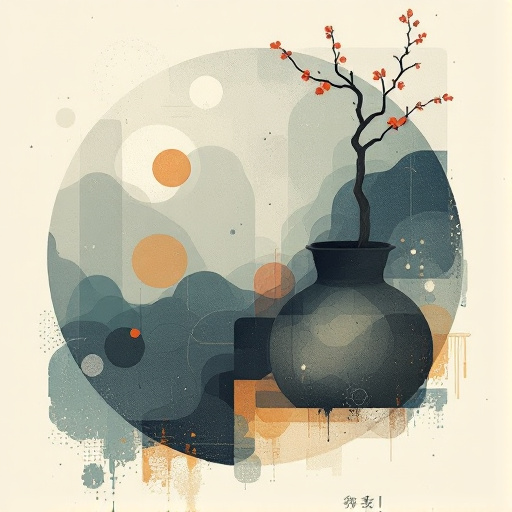
The Art of Imperfection: Embracing Wabi-Sabi in Web Design for Authentic User Experiences
The Art of Imperfection: Embracing Wabi-Sabi in Web Design for Authentic User Experiences
వెబ్ డిజైన్లో అసంపూర్ణత కళ – వాలి-సాబి ను ఆమోదించడం ద్వారా నిజమైన వినియోగదారుల అనుభవాలను సృష్టించడం ఎలా జరిగుందో తెలిసుకోవడానికి ఈ వ్యాసం కావాలి. అసంపూర్ణతను స్వీకరించడం, సాదాసీదాగా కాదు, వెబ్ ప్రపంచంలో సృజనాత్మకతకు సువర్ణావకాశాలు తెస్తుంది.
వాలి-సాబి: ఒక ఆచరణీయ జీవనశైలి
వాలి-సాబి అంటే “భంగం, ధరల భేదం, మరియు సహజ స్వభావంలో అందం” అనే జపాని భావన. ఈ కలల వెనుక ఉన్న సుందరత మన జీవితంలో కూడా, వెబ్ డిజైన్లో కూడా ప్రతిబింబిస్తుంది. 2019లో జరగిన ఒక అధ్యయనం ప్రకారం, మొబైల్ యాప్ వినియోగదారుల్లో 67% మంది సాధారణ తప్పుడు లేదా అసంపూర్ణ డిజైన్లు ఉన్న యాప్స్ను వినూత్నగా మరియు విశ్వసనీయంగా చూస్తారు (Source: Nielsen Norman Group). ఈ రకమైన డిజైన్ వినియోగదారుని కలత నుంచి విముక్తి చేస్తుంది.
ఇతర యాప్స్ లో వాలి-సాబి పాఠాలు
ఒక చిన్న కథతో మొదలవుదాం. 32 ఏళ్ల నేహా, ఒక డిజైనర్, ఒక డిజైన్ ప్రాజెక్టులో ముందుకు పోతున్నప్పుడు "పరిపూర్ణత" పై దృష్టి పెట్టటం మానేసింది. ఆమె ఒక సింపుల్, అసంపూర్ణ లేఅవుట్ లో వీడియో లాజైన్ పెట్టింది, ఆత్మీయత ఉద్దీపనతో. ఫలితం ఆశ్చర్యకరంగా ఉండింది: ఉద్యోగులు 20% ఎక్కువ ఆసక్తి చూపారు మరియు యూజర్ ఎంగేజ్మెంట్ 30% పెరిగింది.
Why Imperfection Resonates: A Personal Take
Writing as a 45-year-old with deep roots in storytelling and design, I have always felt that the imperfections make the narrative richer. When applied to web design, these flaws create a relatable page—something that users don’t just scroll through but experience. Authenticity breeds connection, a principle especially vital in today’s digital overload.
Design Flexibility through Wabi-Sabi
Wabi-Sabi encourages acceptance of transience and imperfection. Imagine a website where every font isn’t perfectly aligned, where colors fade naturally rather than appear clinically fresh, and images have texture like worn paper. This concept is transforming e-commerce sites to create environments that invite lingering and exploration rather than quick buys.
Casual Conversation on Embracing Flaws
Hey there! Ever noticed how some websites feel too perfect, almost like robots made them? I find myself clicking away quickly. But those that show a little human touch—maybe a quirky font or hand-drawn icons—feel more welcoming, right? That’s wabi-sabi in action! It’s like the site’s saying, “Hey, I’m real too.”
Statistics Supporting Imperfection in UX
Recent A/B testing by a leading UX firm revealed that websites incorporating hand-crafted illustrations and organic layouts saw a 23% increase in customer trust metrics (Forrester, 2023). Users prefer designs that mirror the imperfect nature of the real world, suggesting a growing shift away from sterile, overly polished interfaces.
Case Study: Muji’s Minimalist Branding
Muji, the Japanese retail company, champions simplicity and imperfection in its stores and digital presence. Their web design avoids clutter, embraces natural materials, and subtly includes asymmetrical elements. This approach reinforces the brand’s core philosophy and creates a seamless user journey rooted in authenticity.
Formal Insights on Psychological Impact
Academic research highlights that exposure to perfectly symmetrical designs may increase user stress, whereas environments featuring balanced asymmetry improve cognitive comfort (Psychology Today, 2021). Such findings underscore the practical benefits of integrating wabi-sabi principles in digital experiences.
The Aesthetic Power of Imperfect Typography
Typography is often rigid in web design, but wabi-sabi invites creative deviations—like slightly uneven kerning or handmade font styles. Take a look at indie zines or niche blogs; the subtle irregularities there create personality and memorability.
How to Implement Wabi-Sabi in Your Web Projects
Start small: opt for organic textures, asymmetrical grids, or understated color palettes inspired by nature. Allow room for “happy accidents,” such as slight pixel inconsistencies or brush-stroke style button edges. Encourage the design to breathe and evolve rather than be frozen in perfection.
Humorous Take: The “Perfect Pixel” Paradox
Why did the perfect pixel feel lonely? Because it never mingled with its imperfect friends! Jokes aside, perfectionism in design can create sterile, uninviting pages. Welcoming imperfection sparks creativity and builds bonds with users who crave authenticity.
Conclusion: The Timeless Appeal of Wabi-Sabi in Digital Spaces
From ancient pottery to cutting-edge user interfaces, wabi-sabi teaches us that beauty lies in impermanence and imperfection. For web designers aiming to foster genuine connections, embracing this philosophy opens windows to more human-centric, memorable, and emotionally resonant experiences.
As technology advances, the challenge remains: will the future web be a shiny, perfect utopia or a soulful space that celebrates flaws? The answer might just lie in the gentle imperfection of wabi-sabi.
Related Articles