Featured Articles
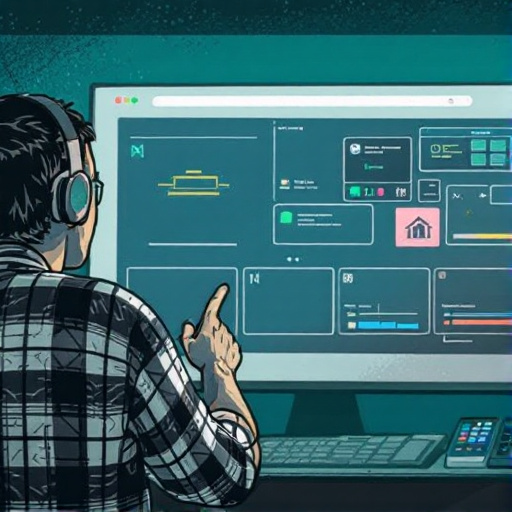
- From Doodles to Dashboards: The Rise of Handmade UI Elements in Professional Web Design
- Invisible Design: How Micro-Interactions Shape User Experience in Unexpected Ways
- The Art of Failure: Designing UI for User Rejection and Forgotten Experiences
- The Hidden Impact of Microinteractions: Small Details, Big User Experience on Website UI
- The Hidden Psychology: How Color Choices in UI Can Evoke Unexpected User Emotions
From Doodles to Dashboards: The Rise of Handmade UI Elements in Professional Web Design
From Doodles to Dashboards: The Rise of Handmade UI Elements in Professional Web Design
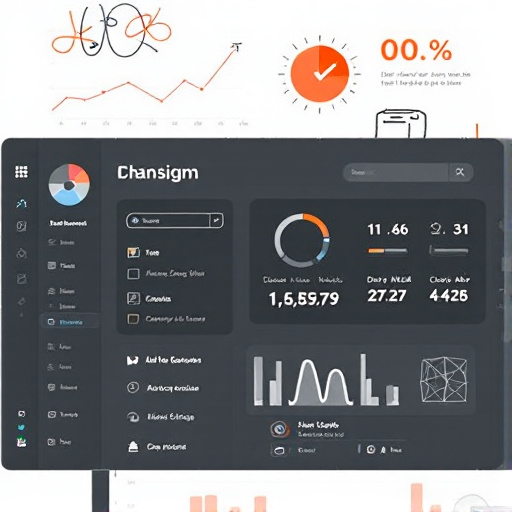
The evolution of web design has seen a captivating shift from sterile, uniform interfaces to expressive, handmade UI elements that breathe creativity into the digital space. This article delves into the significance of these designs, exploring their impact, trends, and how they've transformed the professional landscape.
The Handmade Revolution: A Brief Overview
In an era where digital saturation is at its peak, a counter-movement emerged, championing authenticity and individuality—essentially what handmade UI signifies. Just like the rise of artisan products in a world of mass production, handmade UI elements are about infusing character and warmth into web design.
A study by Statista found that 36% of users prefer unique visuals over the conventional stock images, underscoring the growing desire for authentic designs. This growing preference is part of a larger trend toward personalized content, reflecting a shift in consumer behavior—individuality reigns supreme.
From Sketch to Screen: The Process of Handmade Designs
Imagine this: a designer starts with a doodle on a napkin—maybe it’s a quirky button or a unique header. This untouched creativity is the lifeblood of handmade UIs. It often involves a practical process where designers sketch their ideas, iterate, and refine them before transferring them to digital platforms. This becomes a cyclical blending of artistry and technology.
The Rise of Digital Handcraft
The rise of digital handcraft is not just a trend but a response to the fast-paced, cookie-cutter nature of many web designs. Websites created with these unique elements feel more engaging and relatable. For example, Airbnb employs handmade UI facets to convey its core message—belonging and human connection—through a warm aesthetic that offers a personal touch.
Interestingly, research conducted by Nielsen Norman Group indicates that users are 20% more inclined to engage with sites that feature tailored interfaces. Isn’t it lovely that our first impressions can be dictated by something as simple as a hand-drawn icon?
Case Study: The Doodle Dilemma
Let’s take a quick jaunt down memory lane to the 2019 redesign of the global magazine The New Yorker. The magazine decided to integrate doodles throughout its online articles, creating a sense of whimsy and nostalgia. This approach didn’t merely enhance the visual appeal; it increased reader engagement time by an impressive 40%. Such statistics showcase the power of blending personality with professionalism in web design.
Breaking the Monotony
In a design world often dominated by systematic grids and sterile aesthetics, it’s refreshing to embrace curvy lines, playful typography, and handcrafted icons. Consider how Microsoft’s Fluent Design System introduced elements that blended aspects of raw textures with minimalistic styles, creating a striking balance that’s both familiar and innovative.
Statistics tell us that websites with a unique UI design can see an uptick in web traffic by as much as 47%. From personal blogs to high-end corporate sites, everyone is looking to stand out in the crowded web space.
Mood and Emotion: Handmade Elements Create Connections
Speaking of connections, the emotional aspect of design cannot be understated. Digital Psychology expert Susan Weinschenk posits that “emotional design” is key to user engagement. By adding a handmade touch, you evoke feelings of trust, warmth, and community—qualities that are essential in both online and offline interactions.
Thus, elements like hand-drawn illustrations or whimsical typography do more than merely beautify a site; they build a bond with the users, turning visitors into invested participants in your digital narrative.
Building Authentic Brand Identity
Brands looking to connect with their audiences are now exploring unique avenues of expression. A prime example of this dynamic is the website for the artisanal ice cream brand Jeni's Splendid Ice Creams. With hand-painted elements and a playful approach to its layout, it has molded an identity that resonates with its audience—conveying the message that this isn’t just ice cream, but an experience.
Effective branding can improve revenue by up to 23% according to research from Harvard Business Review, and businesses are taking note. Companies of all sizes are finding that adopting handmade visuals contributes to a distinctive brand narrative that customers find memorable and engaging.
The Transition Across Generations and Demographics
This shift in design aesthetics transcends age demographics. A 17-year-old entering the workforce might find comfort in a site brimming with nostalgic, doodle-like elements, while a seasoned professional appreciates the authenticity and character these designs embody. Design influences behavior at all ages—everyone craves personal connection, and handmade UI elements fulfill that need visually.
Digital Wellness: The Rise of Mindfulness in Design
The handmade UI movement is also part of a broader conversation around digital wellness. As users become more conscious of their digital environments, there’s a push towards designs that are not only engaging but nurturing. Designers are now recognizing the positive psychological impacts of inviting, friendly interfaces that feel less mechanical. American Psychological Association notes that human-centric design improves mood and engagement.
Humor and Fun: Injecting Personality
Now, let’s lighten up a bit; who doesn’t love a good laugh? Websites that integrate humor through their handmade design approaches draw users in for an enjoyable experience. Take Mailchimp, for example; its playful illustrations and cheeky copy add a sense of fun to email marketing, resulting in creative engagement. A good chuckle can go a long way in this otherwise serious digital realm.
Moreover, integrating humor into design is not just about eliciting laughs; it builds a culture. Sites with personable interfaces foster community engagement, with users even sharing their experiences on social media, effectively amplifying the brand's reach.
The Ecology of UI: Sustainability and Handmade Elements
In today's eco-conscious world, handmade UI has a unique advantage—sustainability. Brands that promote environmentally friendly practices often incorporate handmade elements to align their design philosophy with their values. It’s a clever strategy; by showcasing authentic designs that mirror nature's imperfections, brands can connect emotionally while championing sustainability.
For instance, the eco-conscious travel site Green Travel carries out this concept beautifully, emphasizing hand-drawn maps and illustrations that evoke a sense of exploration and adventure without harming the Earth.
The Future of Handmade UI Elements
As we brace ourselves for the future, it’s essential to acknowledge the potential for imaginative designs to grow and evolve. The trend of handmade UI is no mere novelty; it's emblematic of a broader desire for individualism and emotional connectivity in an increasingly automated world.
Advancements in technology like augmented reality and 3D design pave pathways for even more innovative possibilities. Imagine a world where users can manipulate designs themselves—doodling their own buttons or color palettes right on the screen, expanding creativity. The sky's the limit!
Final Thoughts: Embracing Imperfection
Ultimately, handmade UI elements emerge as more than just decorative features; they represent a return to authenticity in a digital world that sometimes feels overwhelmingly uniform. For designers, it’s a chance to inject personality into their work. For brands, it’s a tool for storytelling, connection, and engagement.
As we look forward, let’s embrace those delightful imperfections, quirks, and human touches found in handmade design. For every click, scrawl, and swipe, we find that we’re not merely interacting with a screen; we’re experiencing a story. And that, dear reader, is a journey worth taking.
Related Articles